

This article explains the traditional and modern benefits of Ayurveda, including the role of natural herbs such as moringa, amla, curcumin, and shilajit. Ayurveda is a holistic wellness system that focuses on balance, plant-based nutrition, and supporting the body’s natural functions.
Ayurveda is one of the world’s oldest systems of natural wellbeing, with origins in India dating back more than 3,000 years. The word Ayurveda comes from the Sanskrit words Ayur meaning life and Veda meaning knowledge or science.
In simple terms, Ayurveda means “the science of life.”
This traditional system focuses on maintaining balance between the body, mind, and environment through natural practices, plant-based ingredients, nutrition, and lifestyle habits.
Today, Ayurvedic principles continue to influence modern wellness because they emphasise holistic wellbeing, natural ingredients, and long-term balance rather than quick fixes.
What Is Ayurveda?
Ayurveda is a holistic approach to wellbeing that looks at the body as an interconnected system.
Rather than focusing on a single symptom, Ayurvedic philosophy aims to support overall balance by considering:
- nutrition
• lifestyle habits
• digestion and metabolism
• mental wellbeing
• herbal and plant-based remedies
The goal of Ayurveda is to help maintain harmony between the body, mind, and natural environment.
Because of this holistic perspective, Ayurveda has remained relevant for thousands of years and continues to inspire modern natural health practices.
The Role of Plants and Natural Ingredients in Ayurveda
One of the most powerful aspects of Ayurveda is its long tradition of using plant-based ingredients to support wellbeing.
For centuries, Ayurvedic practitioners have used herbs, roots, fruits, and natural compounds to help support the body’s natural functions.
Some of the most recognised Ayurvedic ingredients include:
- moringa
• amla
• turmeric (curcumin)
• shilajit
These ingredients are valued in Ayurvedic traditions because they contain naturally occurring plant compounds that support overall wellbeing.
Today, many of these traditional herbs are available in modern forms such as powders, capsules, gummies, and liquid extracts.
Why Moringa Is Valued in Ayurveda
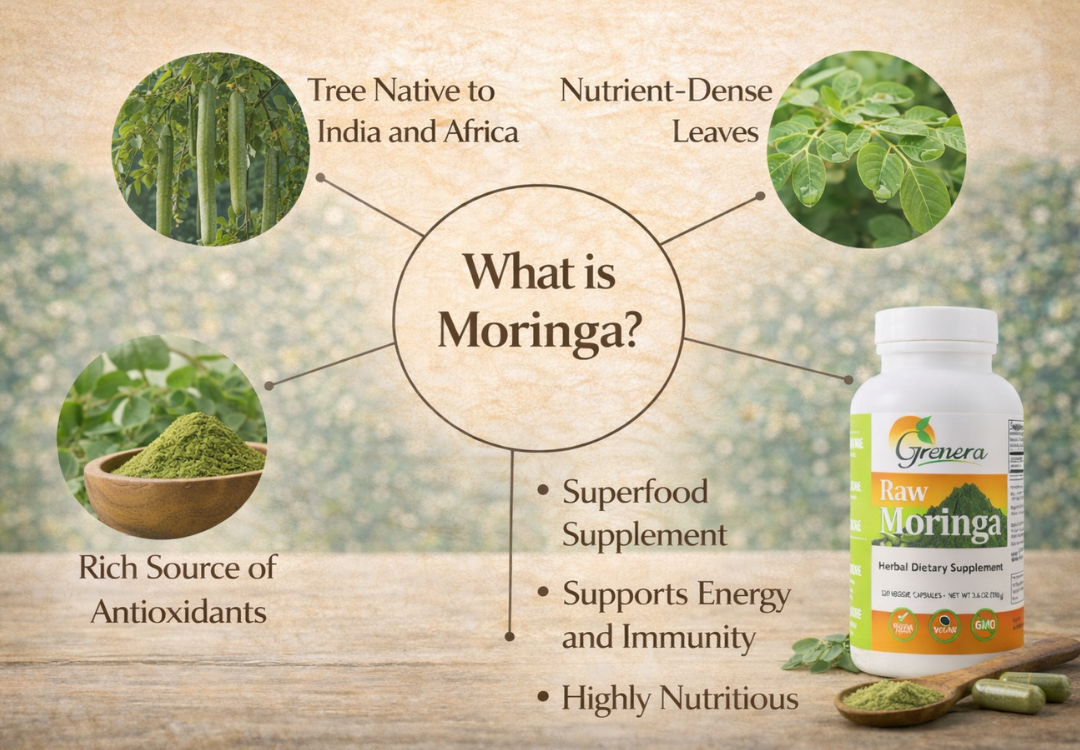
Moringa is often referred to as a nutrient-rich plant used in traditional wellness systems.
In Ayurvedic traditions, moringa leaves have long been valued for their nutritional profile and plant compounds.
Moringa naturally contains a wide range of nutrients including:
- vitamins
• minerals
• antioxidants
• plant-based compounds
Because of this nutritional density, moringa is commonly included in wellness routines that focus on supporting general health and vitality.
Many people today use moringa powder or moringa capsules as a convenient way to include this traditional ingredient in their daily nutrition.
Why Amla Is Known as a Traditional Superfruit
Amla, also known as Indian gooseberry, has been used in Ayurvedic traditions for thousands of years.
It is particularly known for its high concentration of naturally occurring vitamin C and antioxidant compounds.
In Ayurveda, amla is traditionally associated with supporting:
- immune health
• digestion
• skin health
• overall vitality
Because of these properties, amla is commonly consumed as amla powder or capsules as part of daily wellness routines.

Curcumin and the Ayurvedic Tradition of Turmeric
Turmeric is one of the most widely recognised herbs used in Ayurvedic traditions.
The active compound in turmeric is curcumin, which has been studied extensively for its biological activity.
In traditional Ayurvedic practice, turmeric has long been valued for supporting:
- joint comfort
• digestive balance
• general wellbeing
Today, many people choose curcumin capsules as a modern way to include this traditional herb in their daily routine.
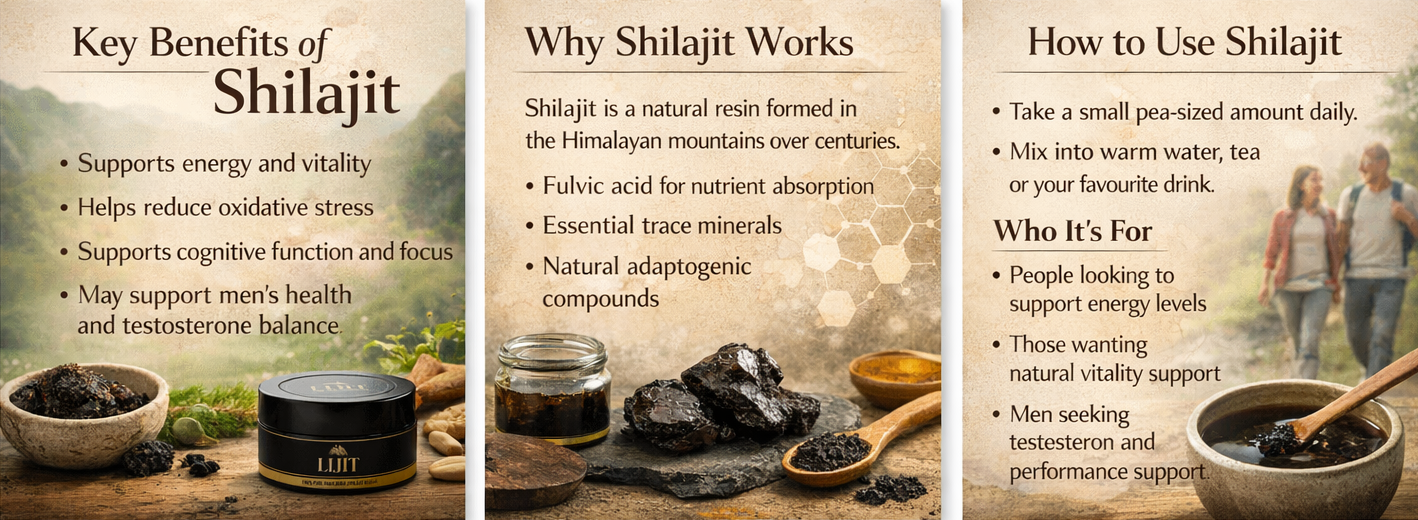
Shilajit: A Unique Mineral-Rich Ayurvedic Substance
Shilajit is one of the most unique substances used in Ayurveda.
It is a natural compound formed over centuries from plant matter and minerals in mountainous regions.
Traditionally, shilajit has been associated with supporting:
- vitality
• energy levels
• overall resilience
Because of its distinctive composition, shilajit is often available today as shilajit gummies or liquid extracts, making it easier for people to incorporate into modern lifestyles.
Why Ayurvedic Principles Are Still Relevant Today
In recent years, many people have begun rediscovering traditional wellness systems like Ayurveda.
This renewed interest comes from a growing desire for approaches that focus on:
- natural ingredients
• plant-based nutrition
• long-term balance
• holistic wellbeing
Ayurveda emphasises the idea that maintaining health involves supporting the body consistently through lifestyle, nutrition, and natural ingredients.
Because of this philosophy, Ayurvedic traditions continue to influence modern wellness products and natural health routines.
Common Questions About Ayurveda
What does Ayurveda mean?
Ayurveda means “the science of life.” It is a traditional system of wellbeing that focuses on maintaining balance between the body, mind, and environment.
Why do people use Ayurvedic herbs?
Ayurvedic herbs are traditionally used to support overall wellbeing through natural plant-based ingredients that have been valued for generations.
Are Ayurvedic ingredients still used today?
Yes. Many traditional Ayurvedic ingredients such as moringa, amla, turmeric, and shilajit are widely used in modern wellness products including powders, capsules, and extracts.
Ancient Wisdom Supporting Modern Wellbeing
Ayurveda represents thousands of years of traditional knowledge focused on maintaining balance and supporting long-term wellbeing.
By combining natural ingredients, plant-based nutrition, and lifestyle practices, Ayurvedic traditions continue to offer valuable insights for people seeking natural approaches to health and vitality. Today, ingredients such as moringa, amla, curcumin, and shilajit remain popular because they connect ancient herbal wisdom with modern wellness routines.


